Research
We investigate platform curation, misinformation and online agendas that shape political debate.
Affiliated with CASSM
How do platforms shape politics?
OSMO studies how social and AI platforms shape politics, combining computational methods with political science and communication to produce rigorous research and inform public debate.
We investigate platform curation, misinformation and online agendas that shape political debate.
We build pipelines for collecting and analysing social data, and develop language- and vision-language models.
We engage policy and civil-society audiences and are developing methods training for students and early-career researchers.
Research agenda
Our research combines computational social science with political communication to study platform curation, information and political debate.
How platforms select, rank and moderate political content, shaping what people see and engage with.
We develop ways to detect false claims and coordinated activity, and test interventions that help people identify misinformation.
How political actors frame issues online, and how those discussions shape attitudes on climate, immigration and gender.
We build scalable pipelines for social data and train large language and vision-language models to annotate it.
Social media play a crucial role in moderating speech. In the United States, conservative elites claim that platforms unfairly sanction conservative voices. Yet systematic, large-scale analysis is lacking. For more than a year leading up to the 2024 Election, we monitored 20,000 YouTube channels posting about US politics, and their millions of videos. By election day, the platform had removed 2.17% of the channels and 3.3% of the videos. Conservative channels and videos were suspended 3–4 times more frequently than liberal ones. However, conservative videos accounted for most hateful content (58.18% vs. 23.35% for liberal videos) and misinformation and conspiracies (71.9% vs. 10.08%), as identified using fine-tuned Vision Language Models. Accounting for platform violations explains most of the ideological gap in suspensions, leaving a residual difference of less than a percentage point, suggesting that ideological differences reflected asymmetries in compliance with platform policy far more than a uniform ideological moderation bias.
Researcher community
Affiliated with CASSM, OSMO is based across the Department of Politics and International Relations (DPIR) and the Oxford Internet Institute (OII). Its weekly seminar series features invited speakers, research discussions and methods sessions. Current Oxford listings are open to all University members, with venue details varying by event. Advanced quantitative methods training for students and early-career researchers is in development.
View the OSMO seminar seriesImpact
OSMO shares evidence through policy engagement, public outputs and research exchange.
With the Westminster Foundation for Democracy, OSMO convened a roundtable on TikTok, politics and elections, alongside a briefing on platform influence and election integrity.
Read the TikTok policy briefing →Briefings and commentary translate research on platform access, online safety and election threats.
OSMO shares findings at conferences and workshops with academic and public-interest audiences.
The people behind the work
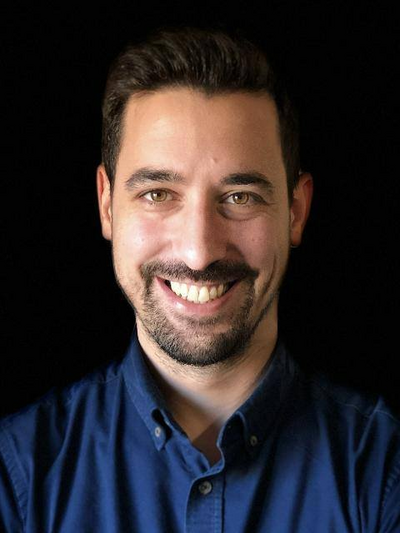
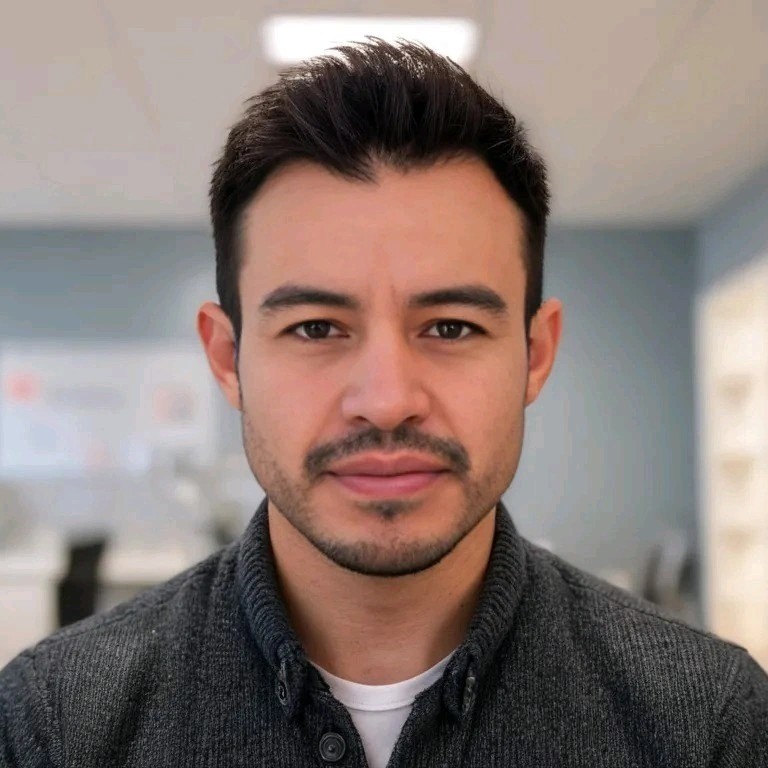
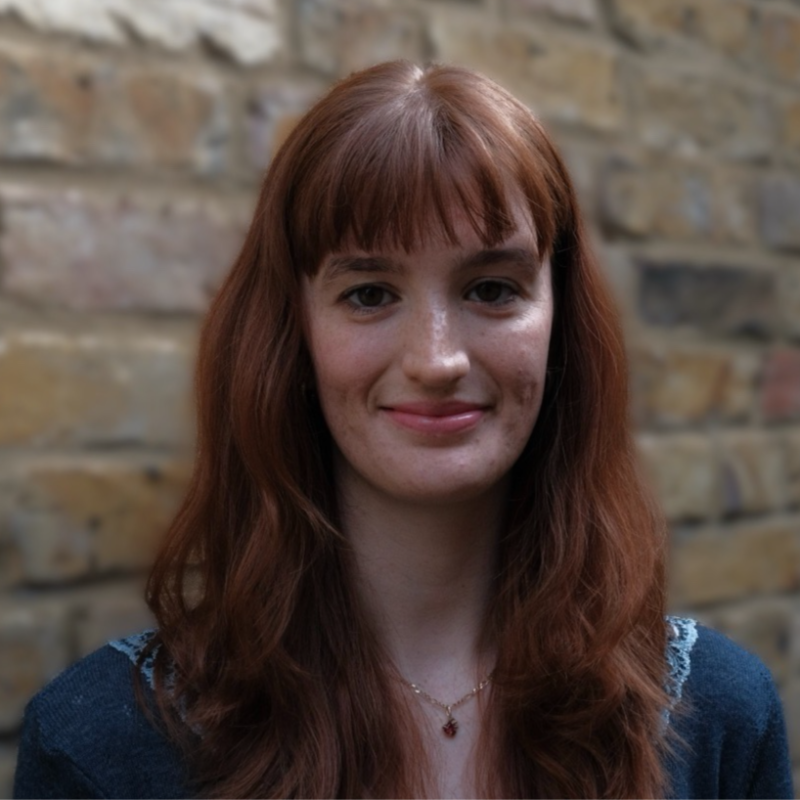
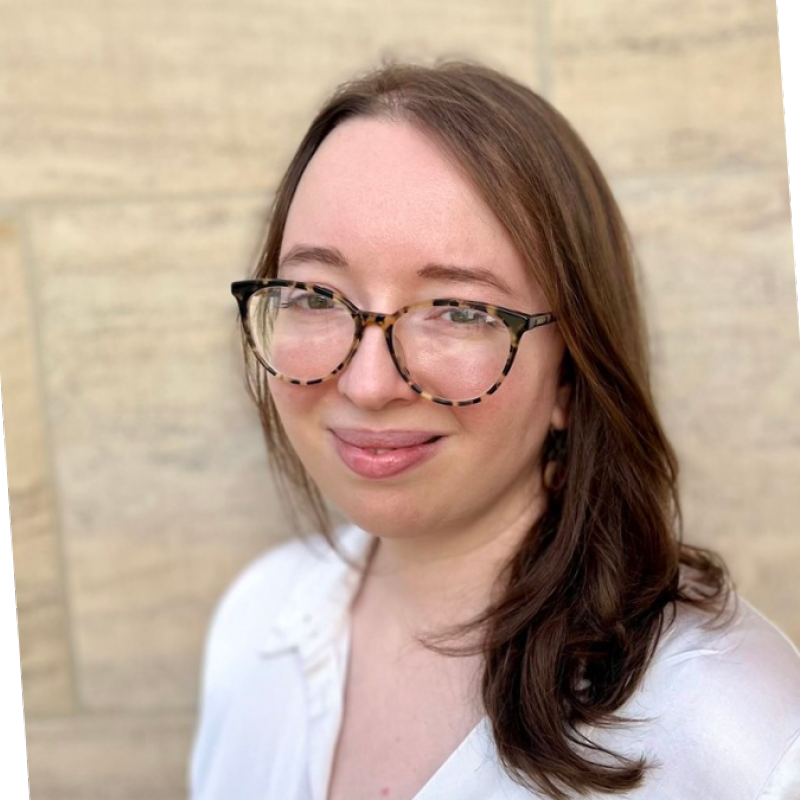
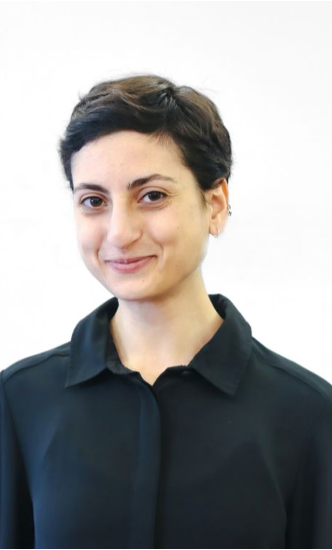
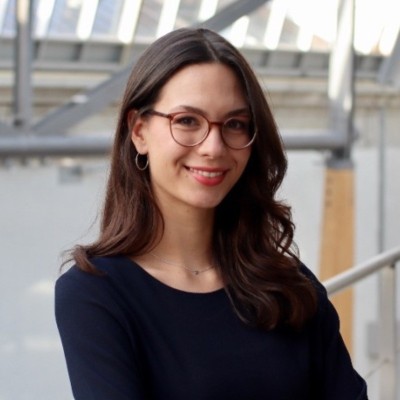
The team combines research, data science and policy expertise across computational social science and political communication.

Made possible thanks to the generous support of: